
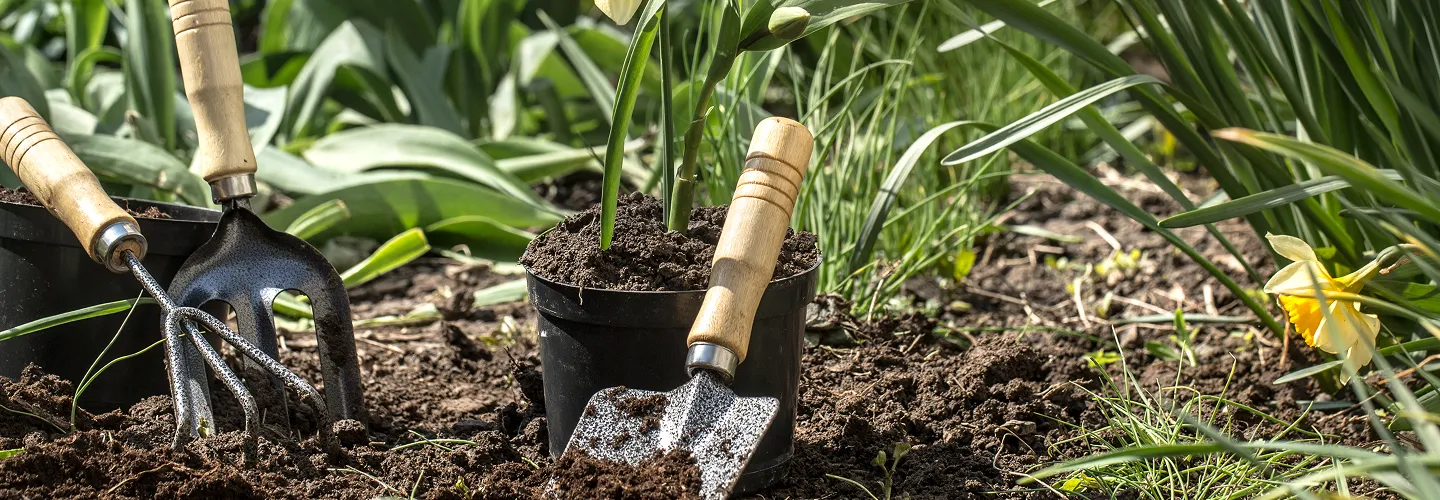
Hedwig Village Fertilizing Lawn Services
Choose our expert fertilizing lawn services for lush, healthy grass that stands out in Hedwig Village—experience greener results, tailored care, and long-lasting beauty for your outdoor space.
Get a Free QuoteOur Hedwig Village Landscaping & Yard Care Services
When to Schedule Fertilizing Lawn in Hedwig Village, Texas – Seasonal Guide
In Hedwig Village, Texas, the best times to fertilize your lawn are typically in early spring and late fall, aligning with the region’s warm climate and unique landscape features. The area’s proximity to Memorial Drive and the lush, tree-lined streets of Piney Point Village means lawns often experience a mix of sun and shade, which can affect nutrient uptake and growth cycles. Spring fertilization, just after the last frost date, helps lawns recover from winter dormancy, while a fall application prepares grass for cooler months and encourages deep root development.
Local environmental factors such as high humidity, occasional drought conditions, and the clay-heavy soils common in neighborhoods near Hedwig Park all play a role in determining the ideal fertilization schedule. Homeowners should also be mindful of municipal guidelines and water restrictions, which can impact when and how often you can apply lawn treatments. For more information on local regulations, visit the Sudbury municipal site.
Local Factors to Consider for Fertilizing Lawn in Hedwig Village
- Tree density and shade coverage, especially in areas like Gaylord Drive
- Soil composition, with many properties featuring clay or loam soils
- Seasonal precipitation patterns and risk of drought
- Municipal restrictions on fertilizer use and watering
- Terrain variations, including sloped lawns or low-lying areas prone to runoff
Benefits of Fertilizing Lawn in Hedwig Village

Healthier, Greener Lawns
Improved Weed Resistance
Enhanced Curb Appeal
Stronger Root Development
Customized Fertilization Plans
Expert Local Landscaping Team

Hedwig Village Fertilizing Lawn Types

Bermuda Grass Fertilization
-
St. Augustine Grass Fertilization
-
Zoysia Grass Fertilization
-
Centipede Grass Fertilization
-
Buffalo Grass Fertilization
-
Fescue Grass Fertilization
-
Ryegrass Fertilization
Our Fertilizing Lawn Process
Soil Analysis
Fertilizer Selection
Application Scheduling
Even Fertilizer Distribution
Post-Application Inspection
Why Choose Hedwig Village Landscape Services
-
Hedwig Village Homeowners Trust Us
-
Expert Lawn Maintenance
-
Reliable Scheduling
-
Competitive Pricing
-
Professional Team
-
Satisfaction Guarantee
-
Personalized Service
Soil Series and Drainage Considerations for Fertilizing Lawns in Hedwig Village
Fertilizing practices in Hedwig Village must account for the city’s predominant soil types, which include Houston Black clay and related Vertisols, as identified by the USDA Web Soil Survey. These soils are characterized by high clay content, slow drainage, and a tendency to compact, leading to periodic waterlogging and surface runoff. Soil pH typically ranges from 7.2 to 8.0, which can limit nutrient availability for turfgrass. Before fertilization, it is recommended to conduct a soil test through Texas A&M AgriLife Extension (cost: $15-25) to determine nutrient needs and pH adjustment requirements. Key soil management steps include:
- Core aeration to a depth of 2-3 inches to reduce compaction
- Incorporation of 2-3 inches of compost to improve structure
- Lime or sulfur application as indicated by soil test results
- Avoiding fertilizer application before heavy rain to prevent runoff
Seasonal Fertilization Timing and Weather Patterns in Hedwig Village
The optimal timing for lawn fertilization in Hedwig Village is closely tied to the city’s USDA Hardiness Zone 9a climate and local weather patterns, as monitored by the National Weather Service Houston/Galveston Office. For warm-season grasses such as St. Augustine and Bermuda, apply fertilizer in early April when soil temperatures reach 65°F, and again in late September before growth slows. Avoid fertilizing from June through August due to heat stress and potential for nutrient leaching during summer storms. Recommended timing windows:
- Spring: April 1 – May 15 (soil temp 65-70°F)
- Fall: September 15 – October 15
- Avoid: June-August (high heat, heavy rainfall)
- Monitor 7-day rainfall forecasts before application
Municipal Coordination and Fertilizer Application Ordinances in Hedwig Village
Hedwig Village enforces municipal ordinances to regulate fertilizer use and protect local water quality, especially near drainage channels and stormwater infrastructure. Residents must comply with the city’s stormwater management plan, which prohibits fertilizer application within 25 feet of open ditches or storm drains. Equipment operation for lawn care is permitted:
- Monday-Friday: 7:00 AM - 7:00 PM
- Saturday: 8:00 AM - 6:00 PM
- Sunday and holidays: Prohibited All fertilizer containers must be stored securely to prevent spills. For questions on compliance or reporting runoff concerns:
Hedwig Village Public Works and Recycling Services
955 Piney Point Road, Hedwig Village, TX 77024
Phone: (713) 465-6009
Official Website: Hedwig Village Public Works and Recycling Services
Environmental Compliance: State and Federal Fertilizer Regulations Affecting Hedwig Village
Fertilizer application in Hedwig Village is subject to both state and federal environmental regulations. The Texas Water Code and Clean Water Act require that no fertilizer be applied within 50 feet of water bodies or wetlands, and prohibit any discharge of fertilizer into storm drains under the city’s MS4 permit. The Texas Commission on Environmental Quality oversees enforcement of these standards. Best practices for compliance include:
- Maintaining a 25-foot buffer from all drainage ditches
- Using slow-release or organic fertilizers to minimize runoff
- Never applying fertilizer before forecasted rain events
- Collecting and properly disposing of any spilled material
Texas Commission on Environmental Quality
12100 Park 35 Circle, Austin, TX 78753
Phone: (512) 239-1000
Official Website: Texas Commission on Environmental Quality
Professional Standards and Safety Protocols for Lawn Fertilization in Hedwig Village
All lawn fertilization activities in Hedwig Village must adhere to professional safety and equipment standards. Operators are required to use:
- Eye protection: ANSI Z87.1 safety glasses
- Hearing protection: Earmuffs or plugs for equipment over 85 dB
- Gloves: Chemical-resistant for fertilizer handling
- Footwear: Non-slip, closed-toe shoes Equipment must be calibrated to deliver no more than 1 lb nitrogen per 1,000 sq ft per application, with a maximum of 3 lbs annually. Maintain a 15-foot clearance from storm drains and public sidewalks during application. For additional guidance on safety and best practices:
Hedwig Village Code Enforcement
955 Piney Point Road, Hedwig Village, TX 77024
Phone: (713) 465-6009
Official Website: Hedwig Village Code Enforcement
What Neighborhoods Do We Serve Throughout Hedwig Village, TX?
- Memorial Forest: Features mature trees and heavy clay soils with moderate drainage, requiring careful timing and soil amendment for effective fertilization.
- Echo Hollow: Characterized by smaller lots and compacted soils, necessitating frequent aeration and precise fertilizer application to prevent runoff.
- Hedwig Circle: Contains a mix of older homes and new construction, with variable soil pH and drainage patterns that influence nutrient management strategies.
- Gaylord Drive Area: Proximity to drainage channels and stormwater infrastructure means strict adherence to buffer requirements and runoff prevention is essential.
- Piney Point Estates: Larger lots with established turf and tree canopies, often requiring customized fertilization schedules and additional organic matter incorporation.
- Beinhorn Road Corridor: Noted for its floodplain location and periodic waterlogging, making soil testing and slow-release fertilizers critical for turf health.
- Hedwig Village Center: Urbanized area with higher foot traffic and public spaces, where fertilizer application must be coordinated with municipal maintenance schedules and safety protocols.